ADA MED SUPPLY LIMITED
Phone:+86 13383897707
Tel:+86-0379-65160607
Email:sophia@adahealthy.com


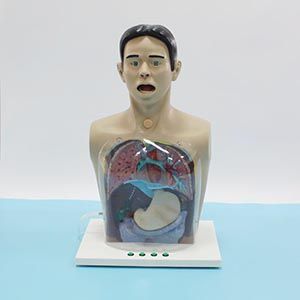
In the broad field of medical care, nasal feeding, as an important means of nutritional supplement, provides a continuation of life for patients who are unable to eat independently. However, there are many inconveniences in the use of traditional feeding tube, such as inconvenient observation and difficult cleaning, which bring many challenges to nursing work. For this reason, multi-functional transparent nasal feeding came into being, with its unique design and transparent material, so that nasal feeding care becomes clear, intuitive and efficient.
The biggest highlight of multifunctional transparent nasal feeding is its transparent tube wall design. This design allows the medical staff to clearly observe the food flow in the feeding tube, so that possible blockage and reflux problems can be detected and dealt with in time. This transparency not only improves the precision of care, but also greatly reduces the risk caused by misjudgment, providing a strong guarantee for patient safety.

In addition to transparency, it has a variety of practical functions. For example, it uses a soft and durable material that reduces irritation to the patient's nasal cavity and esophagus and improves patient comfort. At the same time, the nasal feeding tube is also equipped with a scale mark, which is convenient for medical staff to accurately control the feeding amount and ensure that patients get adequate nutrition. In addition, it is equipped with professional fixing devices and cleaning tools, making the fixing and cleaning of the nasal feeding tube more simple and convenient.
In nasal feeding nursing, the application value can not be ignored. It allows the medical staff to more intuitively understand the patient's nasal feeding situation, so as to develop a more personalized care plan. At the same time, the transparent design also makes it easy for patients and their families to understand the nasal feeding process, enhancing their trust and satisfaction with the care work.
More importantly, it not only improves the efficiency and safety of nasal feeding care, but also promotes the innovation and development of medical care. It encourages medical staff to constantly explore new nursing methods and means to improve the quality of life and rehabilitation of patients.
In summary, multi-functional transparent nasal feeding has brought revolutionary changes to nasal feeding care with its unique design and practical functions. It makes nasal feeding care clear, intuitive and efficient, providing strong support for patients on the road to recovery.
