ADA MED SUPPLY LIMITED
Phone:+86 13383897707
Tel:+86-0379-65160607
Email:sophia@adahealthy.com


Article tag: Cephalic and facial vein models medical teaching models
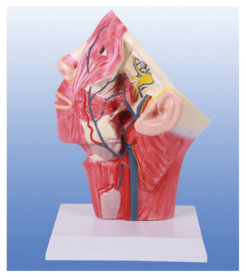
As an auxiliary tool for medical education and clinical practice, the design and function of cephalic and facial vein model are designed to meet the needs of clinicians for in-depth understanding and accurate operation of cephalic and facial vein structure. So, do these models really meet the actual needs of clinicians?
Firstly, with its high authenticity and accuracy, it provides a platform for clinicians to intuitively understand the structure of the cephalic and facial veins. The model is usually designed and manufactured based on the actual distribution of veins in the human head and face, and can accurately show the course, branch, and intersection of veins. This intuitiveness allows clinicians to have a clear understanding of the vein structure of the head and face without directly touching the patient, making them more comfortable when performing surgery or treatment.

Secondly, the operability also provides convenience for its application in clinical practice. Doctors can perform simulated operations on the model, such as venipuncture, catheter placement, etc., to improve surgical skills and reduce risks in actual operations. This simulation not only helps doctors familiarize themselves with surgical procedures and techniques, but also relieves patients' pain and anxiety to a certain extent.
To sum up, the cephalic and facial vein model, with its authenticity, accuracy and operability, has largely met the actual needs of clinicians. It not only provides a platform for doctors to intuitively understand the structure of the cephalic and facial veins, but also improves the surgical skills and learning efficiency of doctors through the application of simulation and modern technology. Therefore, cephalic and facial vein models play an irreplaceable role in medical education and clinical practice.
