ADA MED SUPPLY LIMITED
Phone:+86 13383897707
Tel:+86-0379-65160607
Email:sophia@adahealthy.com


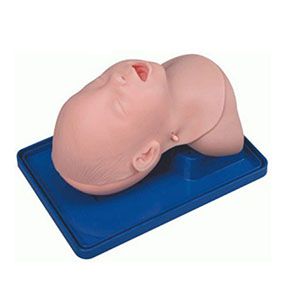
Airway management in infants is a challenging task in the field of pediatric emergency care. Due to the relatively narrow and complex structure of the airway of infants, coupled with its physiological characteristics, tracheal intubation becomes a highly specialized and precise emergency measure. The infant tracheal intubation training model is designed to improve the first aid ability of pediatricians in this field.
This training model uses highly accurate simulation materials to simulate the airway structure and physiological characteristics of infants. It can not only simulate the narrowing and bending of the baby's airway, but also simulate various physiological reactions in the process of breathing and heartbeat. This allows the pediatrician to truly feel the characteristics of the baby's airway and various challenges during intubation during practice.

Through repeated practice, pediatricians can become familiar with and master the key techniques of intubation in infants. They can learn how to choose the right type of tube, how to insert the tracheal tube correctly, and how to adjust the position of the tube to ensure the airway is clear. The mastery of these skills not only helps to improve the ability of pediatricians to respond in emergency situations, but also reduces the complications and risks caused by improper intubation.
In addition, it has a high degree of repeatability and safety. It allows pediatricians to continuously consolidate and enhance their first aid skills by performing repeated exercises regardless of time or place. At the same time, because the model uses simulation materials, it will not cause any harm to the pediatrician or the baby, ensuring the safety and reliability of the practice process.
In pediatric emergency care, time is of the essence. Every second of delay can have an irreversible impact on a baby's life. Therefore, it is essential to improve the first aid ability of pediatricians to ensure that they can make rapid and accurate judgments and operations in emergency situations. The infant tracheal intubation training model is an effective assistant to this goal.
In summary, infant tracheal intubation training model plays an important role in improving pediatricians' first-aid ability. It can not only simulate real emergency situations, but also help pediatricians master key tracheal intubation skills. Through repeated practice, pediatricians can continuously improve their first aid skills and escort the life safety of infants.
