ADA MED SUPPLY LIMITED
Phone:+86 13383897707
Tel:+86-0379-65160607
Email:sophia@adahealthy.com


Article tag: Ear acupuncture model medical acupuncture model
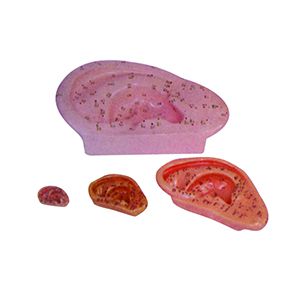
The auricular acupuncture model uses a variety of advanced technologies and design concepts to accurately simulate ear acupuncture points to ensure its accuracy and practicability. The following is a detailed explanation of how the ear acupuncture model accurately simulates ear acupuncture points:
First, high-precision anatomical structure design
The auricular acupuncture model simulates the real shape of human ear and the distribution of acupuncture points through the high-precision anatomical structure design. In the process of making the model, the principle of human anatomy is strictly followed, and each part of the ear is finely depicted and restored. This makes the location, shape and distribution of ear acupoints on the model highly consistent with the real human body, providing an intuitive and accurate reference for learners.

2. Precise marking and explanation of acupoints
In order to further improve the practicality of the model, each acupuncture point will be accurately marked and explained in the auricular acupuncture model. These labels are usually marked with distinct symbols or colors, allowing the learner to easily identify each point. At the same time, the model may also be accompanied by a detailed acupoint manual or electronic manual, which provides a detailed introduction and explanation of the location, function and symptoms of each acupoint. This helps learners to better understand and master the knowledge of ear acupuncture points.
3. Simulation materials and touch simulation
In order to enhance the experience of using the model, the auricular acupuncture model is usually made of high-quality simulation materials. These materials not only have good durability and stability, but also simulate the feel and texture of real human skin. This enables learners to feel the acupuncture resistance and feedback similar to the real human body when performing acupuncture exercises on the model, so as to grasp the strength and depth of acupuncture more accurately.
To sum up, the auricular acupuncture model realizes the accurate simulation of auricular acupuncture points through a variety of ways, such as high-precision anatomical structure design, precise labeling and description of acupuncture points, simulation materials and tactile simulation, and interactive experience and feedback mechanism. This provides valuable learning and practice opportunities for acupuncture learners, helping them to better master acupuncture skills and enhance clinical practice ability.
