ADA MED SUPPLY LIMITED
Phone:+86 13383897707
Tel:+86-0379-65160607
Email:sophia@adahealthy.com


In the field of medical care, in the face of emergencies and emergencies, the rapid response and accurate treatment of medical personnel is the key to ensure the safety of patients. As an important tool of modern nursing education, full-function nursing training simulator is gradually becoming a simulation battlefield of emergency treatment, which provides a risk-free and highly simulated practice environment for nursing staff.
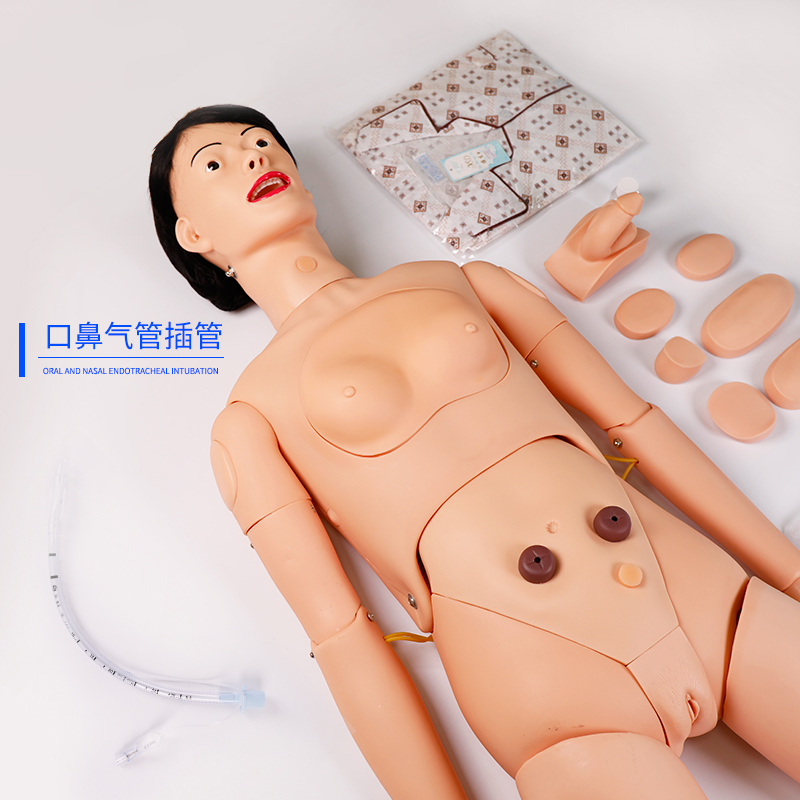
In this simulated battlefield, paramedics can practice and master various emergency handling skills over and over again. They need to quickly assess the patient's condition, accurately judge and take effective nursing measures within a limited time. Whether it is cardiopulmonary resuscitation, hemostatic bandaging, drug injection, intravenous infusion, each skill needs to be practiced on a simulated human to ensure that it can be done quickly and accurately in a real situation.
Through the simulation training of emergency handling, nurses can not only improve their emergency response ability and operational skills, but more importantly, cultivate teamwork spirit and communication and coordination ability. In an emergency, the tacit cooperation and effective communication between team members is an important guarantee to ensure that patients get timely treatment. The simulated environment provided by the fully functional nursing training simulator is the best place to cultivate this team spirit.
In addition, the fully functional nursing training simulator also has data recording and feedback functions. In the training process, simulators can record the operation process and results of nursing staff in real time, and give corresponding feedback and suggestions. This not only helps nurses to correct errors in time and improve their skills, but also provides valuable data support for teaching evaluation and scientific research.
In summary, as a simulation battlefield for emergency treatment, it plays an important role in improving the emergency treatment ability of nursing staff, cultivating team spirit, and providing teaching evaluation and scientific research support. With the continuous progress of medical technology and the in-depth development of nursing education, it is believed that full-function nursing training simulator will play a more important role in the future medical nursing field.
