ADA MED SUPPLY LIMITED
Phone:+86 13383897707
Tel:+86-0379-65160607
Email:sophia@adahealthy.com


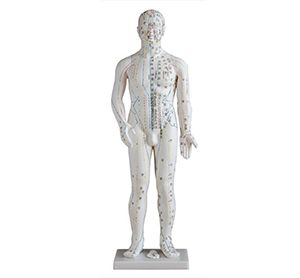
Male acupuncture training model plays a vital role in improving learners' practical ability. The following are some specific ways to improve learners' practical skills through the male acupuncture training model:

First, highly simulated operating environment
The male acupuncture training model is usually made of high-precision human simulation materials, which can simulate the muscle, bone and skin texture of the real human body, providing a close to the real operating environment for learners. This highly simulated model enables learners to feel the touch and feedback similar to the real human body in the operation process, so as to understand and master acupuncture skills more intuitively.
2. Precise point marking and location
All important acupuncture points on the male body were precisely marked on the model, and the positions and depths of these points were approved by professional acupuncture experts to ensure their accuracy. Learners can repeatedly practice acupoint selection and positioning skills on the model, and deepen their understanding and memory of acupoint location through continuous practice. At the same time, some models are also equipped with light or touch indicating systems to help learners find acupuncture points more accurately.
Three, a variety of acupuncture methods training
Male acupuncture training model supports the practice of various acupuncture methods, such as straight acupuncture, oblique acupuncture, flat acupuncture and so on. Learners can choose the appropriate acupuncture method according to different acupuncture points and conditions, and practice repeatedly on the model. This diversified training method helps learners to fully master acupuncture skills and improve flexibility and adaptability in practical operation.
4. Intelligent feedback and evaluation system
Some advanced male acupuncture training models are also equipped with intelligent feedback and evaluation systems. These systems are able to record data during the acupuncture process in real time, such as the depth, strength and Angle of the acupuncture, and provide learners with immediate feedback and personalized learning recommendations. Through data analysis, learners can understand their own level of operation, find existing problems, and make targeted improvements. At the same time, teachers or evaluators can also use these data to conduct objective assessments and provide more accurate guidance and suggestions for learners.
Five, repeated practice and consolidation
The improvement of acupuncture skills requires repeated practice and consolidation. The male acupuncture training model is reusable and learners can practice at any time and anywhere. Through continuous practice, learners can gradually master the essentials and essence of acupuncture skills, and improve the accuracy and stability in actual operation.
To sum up, the male acupuncture training model can significantly improve learners' practical operation ability by providing a highly simulated operating environment, accurate acupoint labeling and positioning, diversified acupuncture method training, intelligent feedback and evaluation system, and repeated practice and consolidation.
